Survey by elevation
We separate sea-facing, sun-baked, sheltered, retaining, and boundary-wall surfaces by exposure, substrate, existing failure, moisture, and access.
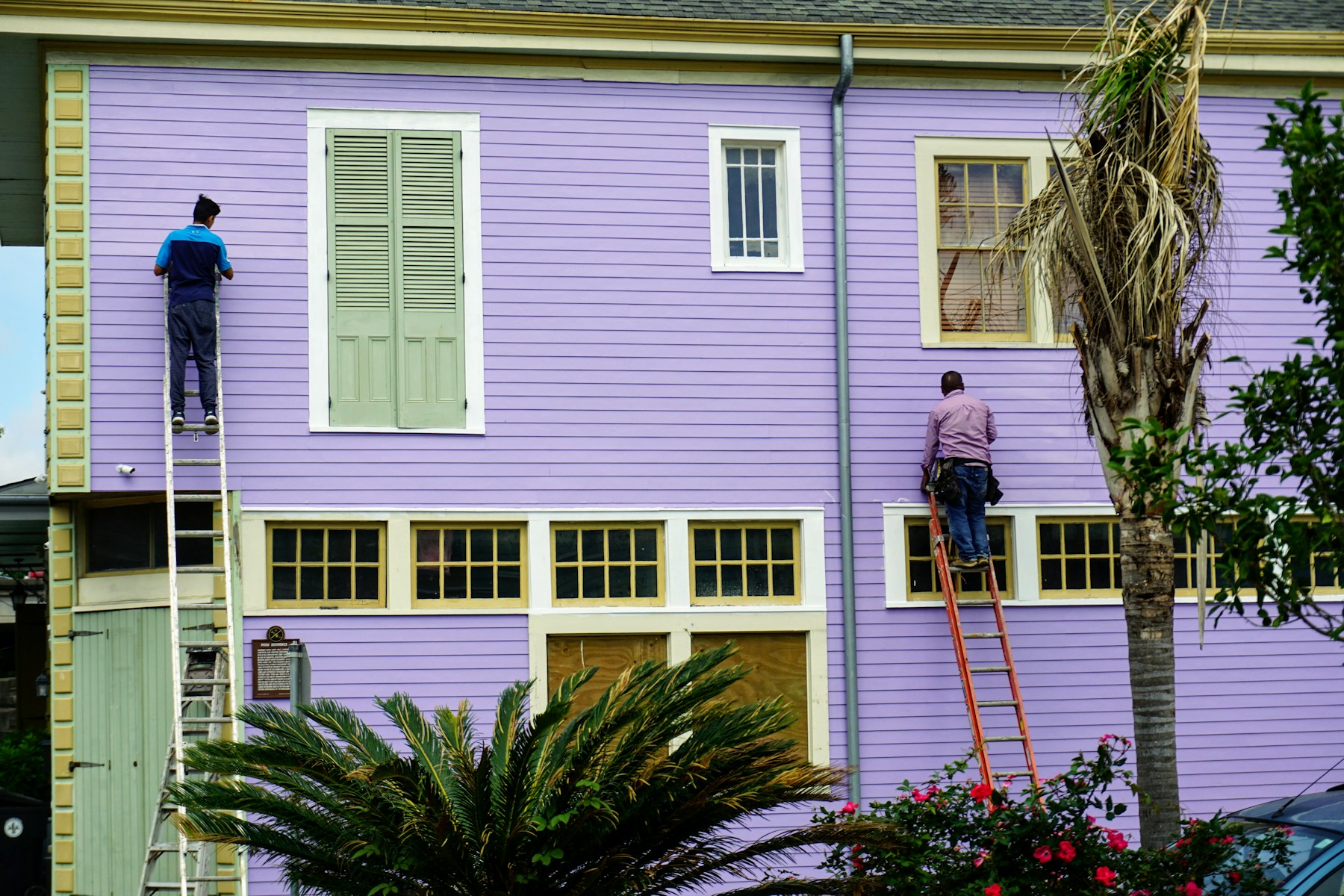
Cape Town coastal coating systems
Preparation-led coating systems for Atlantic Seaboard and False Bay homes—from Camps Bay and Clifton to Muizenberg, St James, and Fish Hoek—where salt, UV, wind, moisture, and exposed details accelerate exterior wear.
Why coastal paint fails early
Coastal salt deposits, chalking, intense sunlight, wind-driven rain, failed sealants, and corrosion-prone details can all undermine a freshly painted exterior. If those conditions are not identified and prepared correctly, a premium topcoat alone cannot compensate.
We assess each elevation separately because a sheltered courtyard and a sea-facing parapet rarely age at the same rate. Masonry, timber, metal, and sealants also need compatible treatments rather than one generic product across every surface.
The result is a condition-led scope: clean what is contaminated, remove what is unsound, repair the weak points, prime the actual substrate, and then apply the specified exterior finish in suitable conditions.
The coastal coating process
Coastal durability is built layer by layer. The specification changes with the material, existing paint, orientation, access, and degree of salt, UV, wind, and moisture exposure.
We separate sea-facing, sun-baked, sheltered, retaining, and boundary-wall surfaces by exposure, substrate, existing failure, moisture, and access.
Salt deposits, chalk, dirt, loose coating, and surface growth are removed. The surface must be sound, clean, and sufficiently dry before recoating.
Cracks, porous repairs, peeling edges, failed sealants, bare areas, and corrosion-prone details are treated with compatible, substrate-specific products.
Weather- and UV-resistant exterior coatings are applied to the specified coverage, with application conditions and drying requirements respected.
Our standard: “Salt-resistant” means a coating system selected and applied for coastal exposure. It does not mean salt-proof, maintenance-free, or guaranteed to last for one universal number of years.
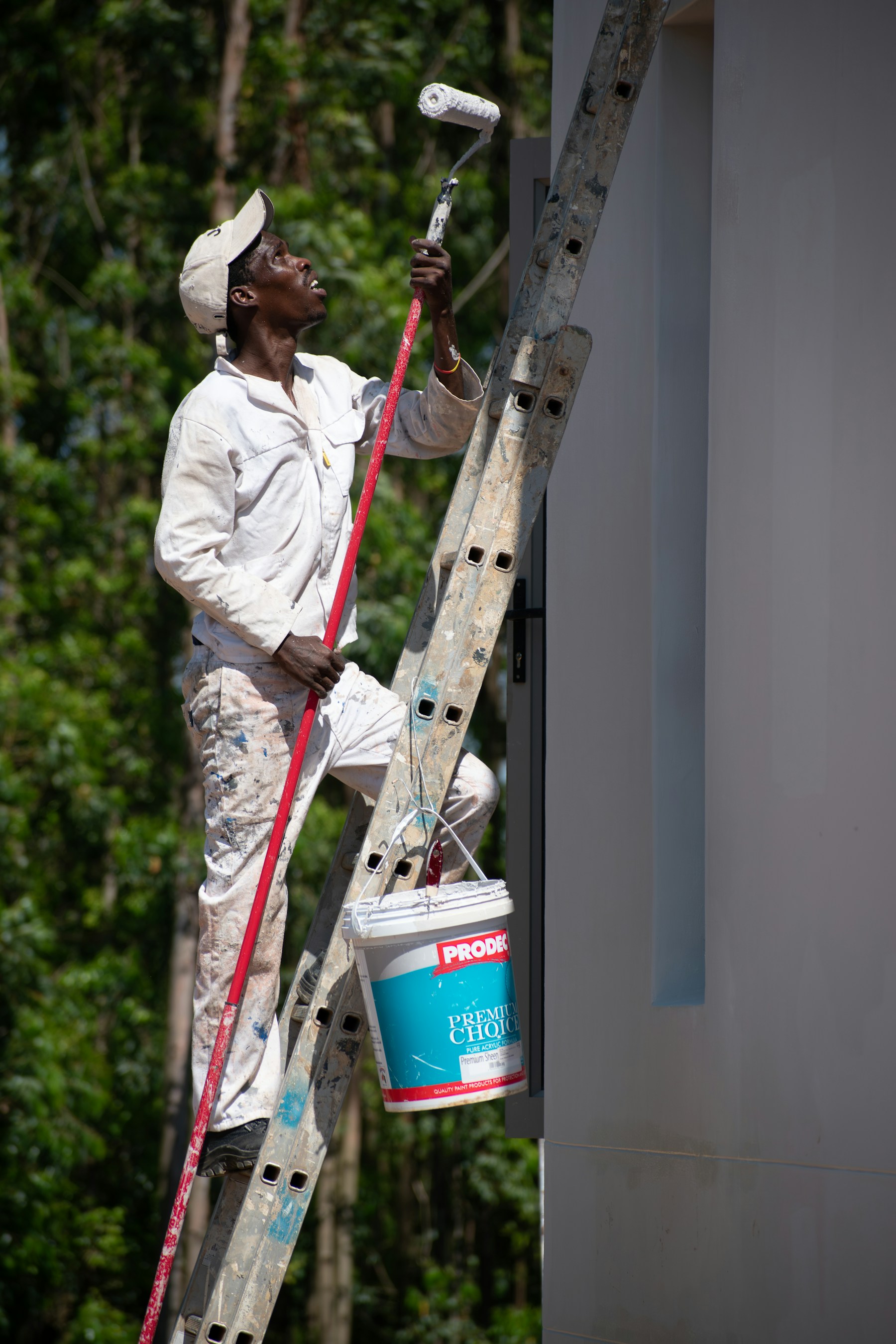
One property, several substrates
Large coastal homes often combine painted masonry, retaining walls, timber joinery, gates, railings, fixings, and sealed joints. Each surface is prepared and coated according to its condition and material.
Coastal painting FAQ
A property inspection turns these principles into a substrate- and exposure-specific scope.
There is no single salt-proof paint for every surface. The correct system depends on the substrate, exposure, existing coating, contamination, repairs, nearby metalwork, and product compatibility. We specify the full primer-and-topcoat system after inspecting those conditions.
There is no reliable universal interval. Sea-facing walls, sheltered elevations, timber, metal, parapets, and boundary walls weather at different rates. Regular condition checks and early local maintenance are more useful than waiting for one fixed date to repaint the entire property.
Salt and other contamination can interfere with coating adhesion and contribute to blistering or corrosion-related failure. Cleaning is therefore part of surface preparation, not an optional cosmetic wash.
Paint is not a repair for an active moisture source or untreated corrosion. Leaks and damp paths must be addressed, while metal and masonry receive their own compatible preparation and coating systems.
Coastal exterior painting