Heritage-sensitive exteriors
Older plaster, joinery, profiles, timber, and original details are assessed separately, with approval responsibilities made clear.
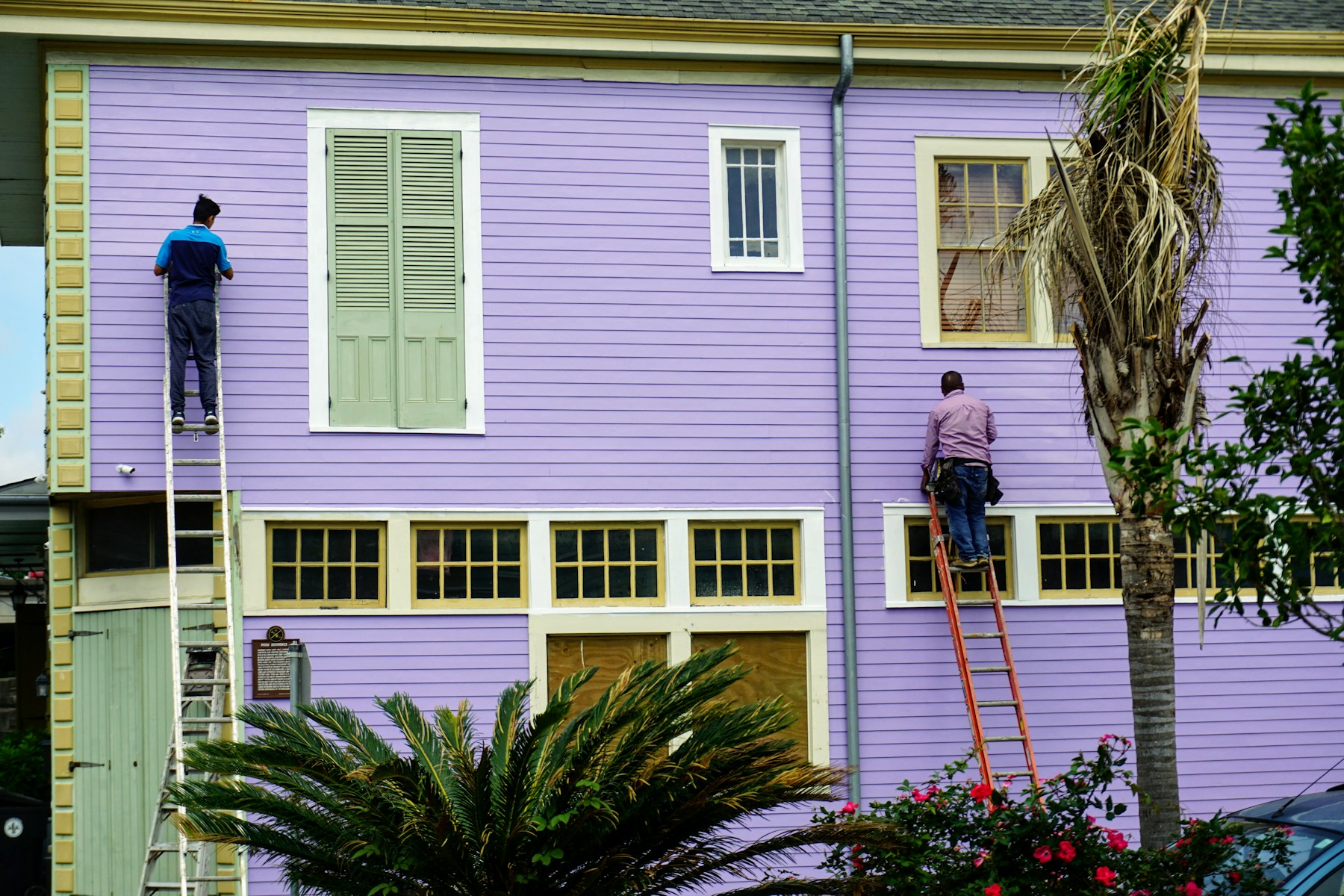
Interior & exterior · St James
Detailed painting for sea-facing character homes, steep sites, older plaster, timber joinery, retaining walls, and premium interiors where exposure and original fabric both matter.
Painting homes in St James
St James combines direct False Bay exposure with steep mountain slopes, older homes, retaining walls, detailed timber, and constrained access. Salt deposits and coastal weather may affect the seaward face while shaded or retained areas show a different moisture pattern.
Much of the St James, Muizenberg, and Kalk Bay corridor is heritage-protected, and many buildings are more than 60 years old. Owners should confirm the required approvals before exterior colours, significant details, or historically unpainted materials are altered.
A premium finish starts with diagnosis: old coating layers, cracks, friable plaster, timber condition, sealants, corrosion staining, salt, damp, and access all need to be understood before a programme is priced.
Local priorities
Older plaster, joinery, profiles, timber, and original details are assessed separately, with approval responsibilities made clear.
Salt deposits, chalking, sun, wind-driven weather, failed sealants, and corrosion-prone details are addressed before recoating.
Steps, limited staging, upper elevations, neighbours, stonework, retaining walls, and moisture paths are built into the sequence.
Heritage fabric & False Bay exposure
Durability cannot come at the cost of original fabric. The work should remove harmful contamination and failing paint while avoiding unnecessary damage to older plaster, timber, stone, and architectural details.
Explore our coastal painting serviceExposure, access, coating layers, older plaster, timber, cracks, moisture, salt, and significant details are recorded before work begins.
Loose material and contamination are removed using methods appropriate to the substrate instead of treating fragile historic fabric like new masonry.
Repairs, primers, sealants, and finishes are selected for the material and existing coating system, subject to any required approvals.
Sea-facing façades, upper elevations, timber, and retained areas can be sequenced around weather, access, and the home’s occupation.
Important: Heritage status and material compatibility must be confirmed before significant exterior changes. A durable coating is not a licence to cover original or protected fabric.
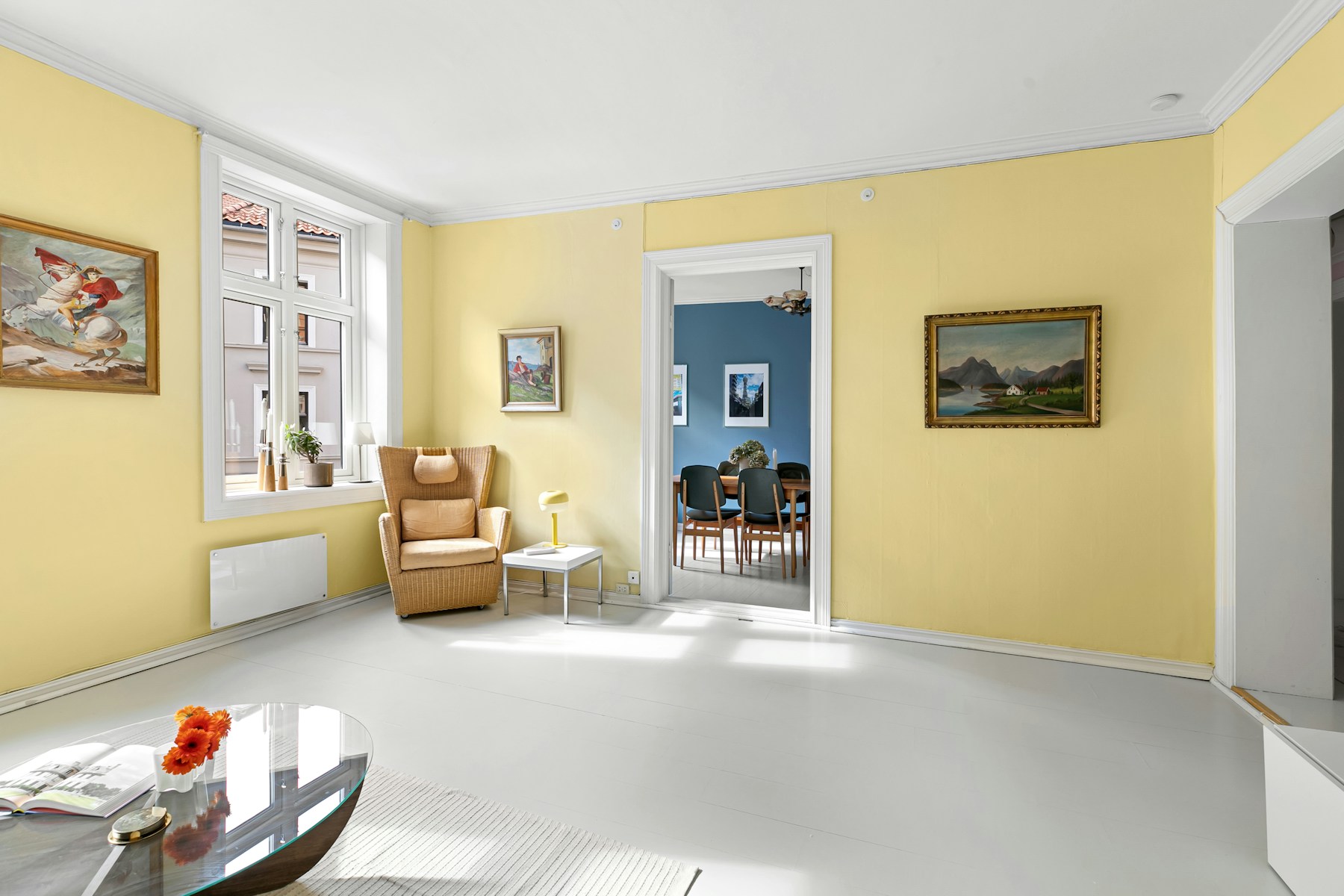
Premium interiors, careful logistics
Interior work is planned around original trim, high ceilings, occupied rooms, valuable finishes, access routes, and the changing coastal light. Protection and sequencing are as important as the final colour and sheen.
A clear way forward
We inspect the surfaces, access, exposure, repairs, and finish you have in mind.
Surroundings are protected before cleaning, filling, sanding, sealing, and priming.
Paint is applied carefully, details are checked, and the site is handed back tidy.
St James painting FAQ
These answers cover common local considerations. The property walk-through is where we turn them into a specific plan.
Yes, with a careful assessment of the existing materials and approval requirements. The owner should confirm City and Heritage Western Cape obligations before exterior colours, original details, or historically unpainted surfaces are changed.
The source and extent of contamination, coating failure, and plaster weakness must be assessed first. Cleaning and preparation methods should remove unsound material without unnecessarily damaging the older substrate, followed by compatible repairs and coatings.
Yes. The scope can be divided by elevation, access zone, or interior area, while keeping preparation standards and coating specifications consistent across the planned programme.
Painting in St James