Boundary-wall scale
Long runs are measured by condition and access, then divided into practical sections without losing coating consistency.
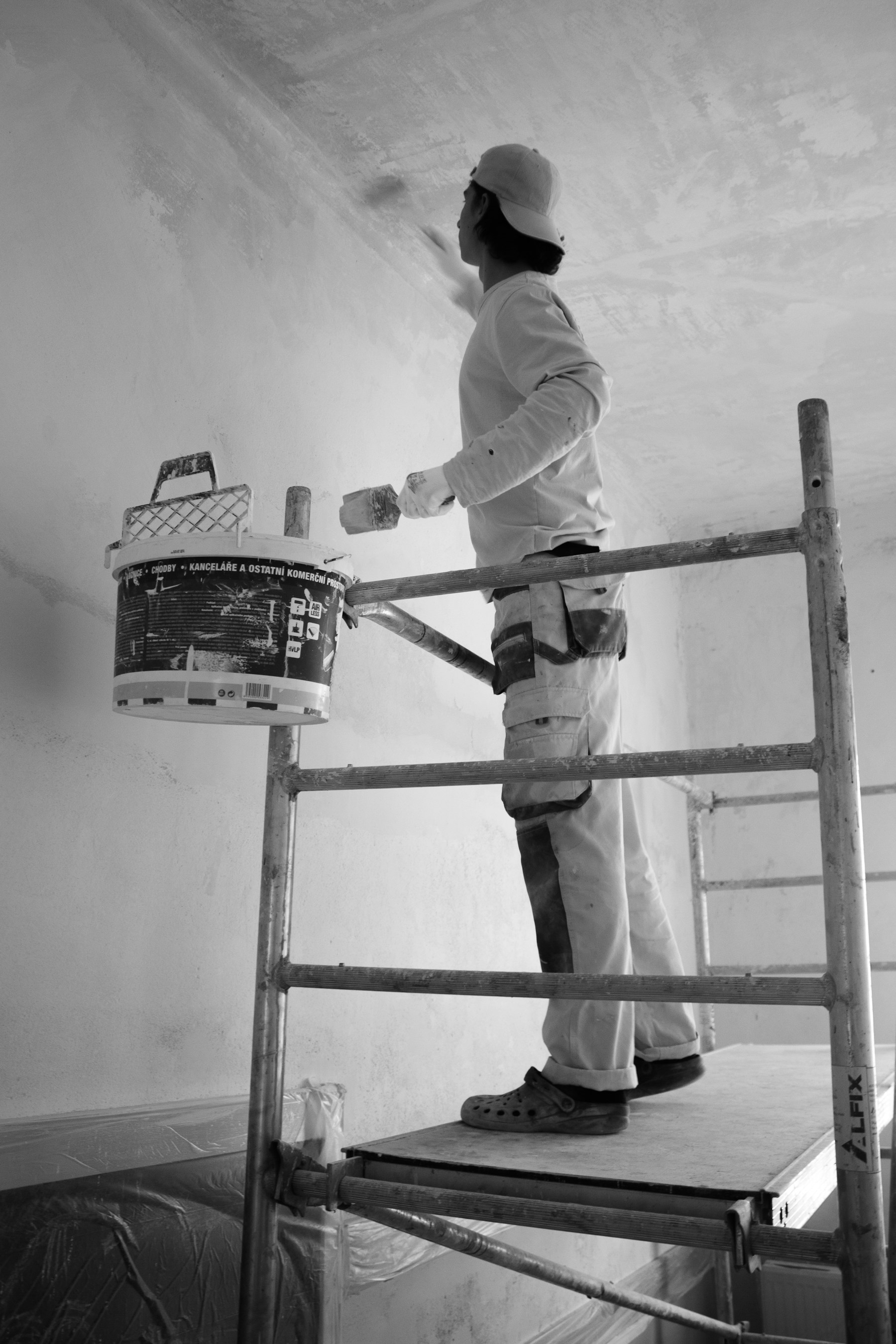
Interior & exterior · Bishopscourt
Careful planning for long boundary walls, substantial interiors, tall elevations, older details, and moisture-prone areas—phased around the household and property.
Painting homes in Bishopscourt
On a substantial Bishopscourt property, the size of the scope changes how the work should be run. Long perimeter walls, double-volume spaces, upper façades, garden access, and occupied rooms all need to be measured and sequenced before a crew arrives.
Mature vegetation and sheltered masonry can leave some elevations slower to dry than others. Those areas are assessed for damp, surface growth, cracking, failed coatings, and vegetation contact rather than being folded into a generic per-square-metre price.
Older homes may also contain original timber, plaster profiles, and previously unpainted materials. We preserve what should be preserved and flag any proposed change that may need owner, body-corporate, heritage, or City confirmation.
Local priorities
Long runs are measured by condition and access, then divided into practical sections without losing coating consistency.
Tall walls, stairwells, upper façades, household movement, and protected finished zones are built into the work sequence.
Damp sources and recurring surface growth are identified before cleaning, drying, repairing, priming, and repainting.
Large properties & moisture maintenance
Rooflines, gutters, tall façades, retaining and boundary walls, garden irrigation, shaded masonry, and older repairs can each create a different moisture problem. Mapping those zones prevents a local defect from becoming a generic whole-house coating specification.
Explore our damp-wall preparation serviceDamp marks, peeling, blistering, surface growth, salts, cracks, and failed sealants are recorded by room, wall, and elevation.
Leaks, drainage, waterproofing, plumbing, ventilation, or structural concerns are referred to the appropriate trade before painting.
Unsound coating is removed and affected hard surfaces are cleaned; the wall must be sound and sufficiently dry for the specified system.
Repaired zones, boundaries, façades, and interiors can be sequenced so moisture work is resolved without disrupting the full property at once.
Important: A fresh finish should follow successful moisture correction. Where contamination is extensive, hidden, or linked to health concerns, specialist remediation is the responsible next step.
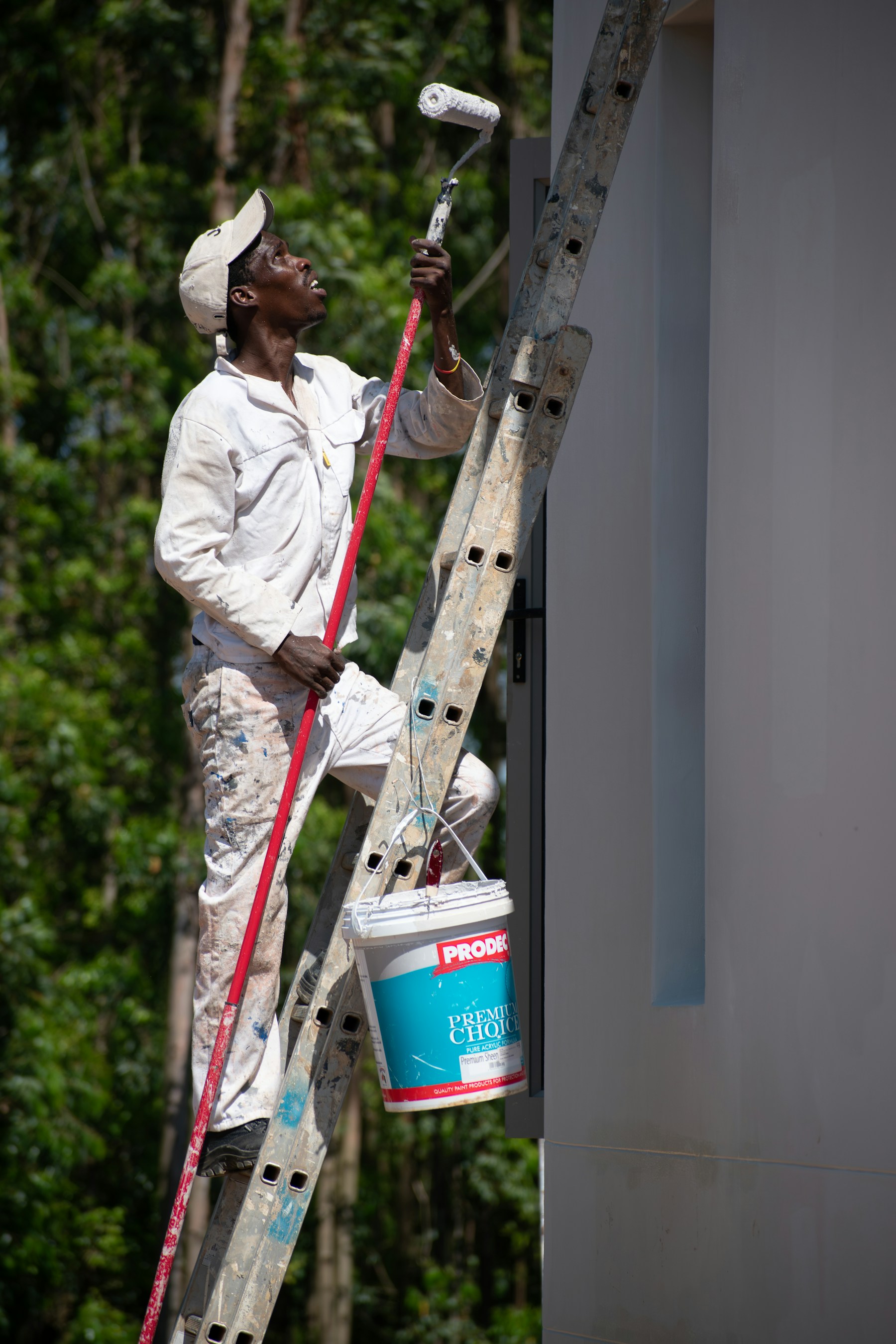
Planned access, protected surroundings
Good results on a substantial property depend on logistics and diagnosis as much as application. We consider height, long wall runs, equipment positioning, vegetation, moisture, entry points, and household movement before defining the painting sequence.
A clear way forward
We inspect the surfaces, access, exposure, repairs, and finish you have in mind.
Surroundings are protected before cleaning, filling, sanding, sealing, and priming.
Paint is applied carefully, details are checked, and the site is handed back tidy.
Bishopscourt painting FAQ
These answers cover common local considerations. The property walk-through is where we turn them into a specific plan.
Yes. We can prioritise boundary walls, particular elevations, or interior zones and define an order that protects finished work while keeping the property functional.
Length is only one factor. We also assess height, access, vegetation, damp, cracks, surface growth, previous coating failure, repairs, and the number of preparation and finish coats required.
Not if the moisture source remains. The cause must be investigated and corrected first. Once the surface is sound, clean, and dry, the appropriate preparation and coating system can be considered.
Painting in Bishopscourt